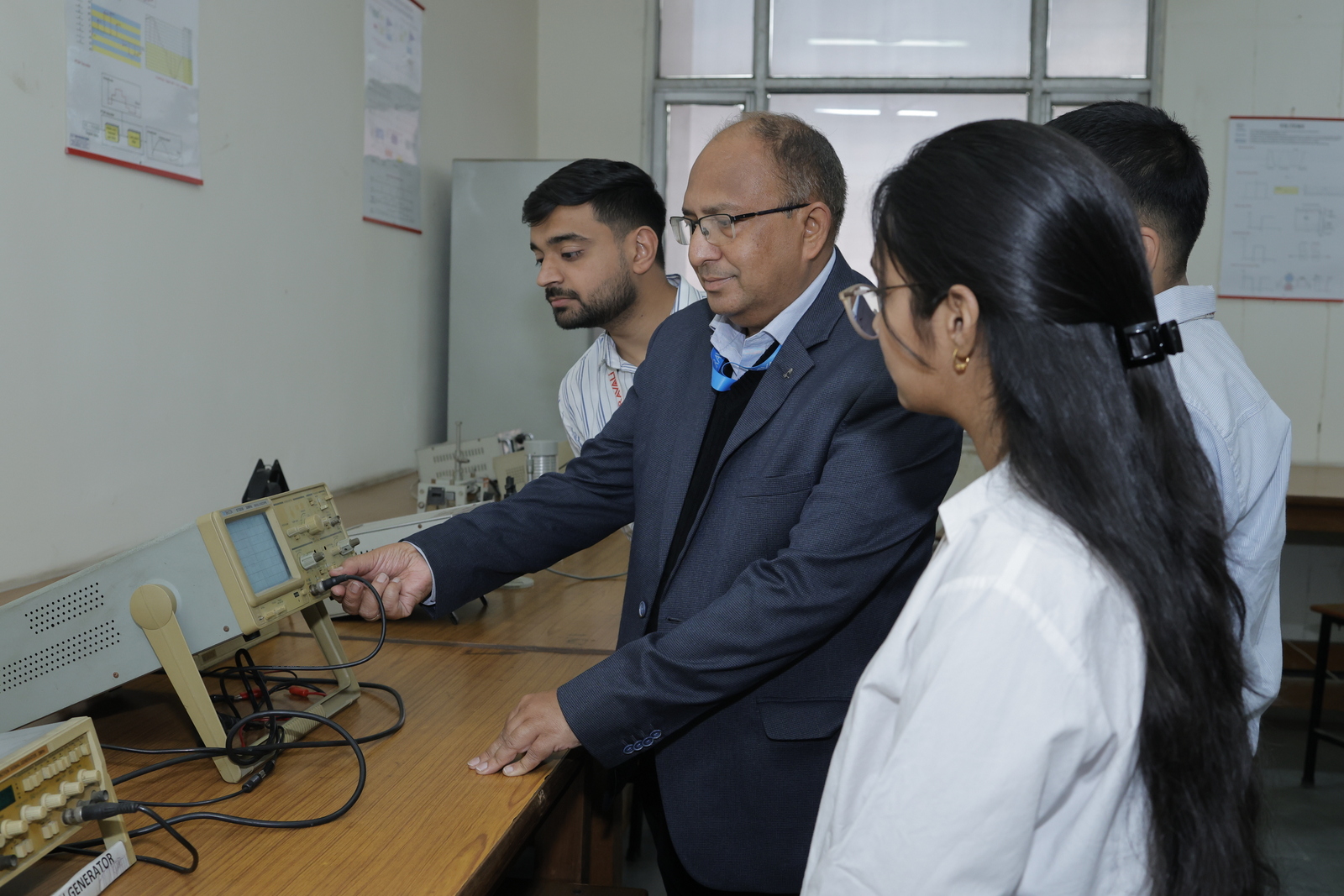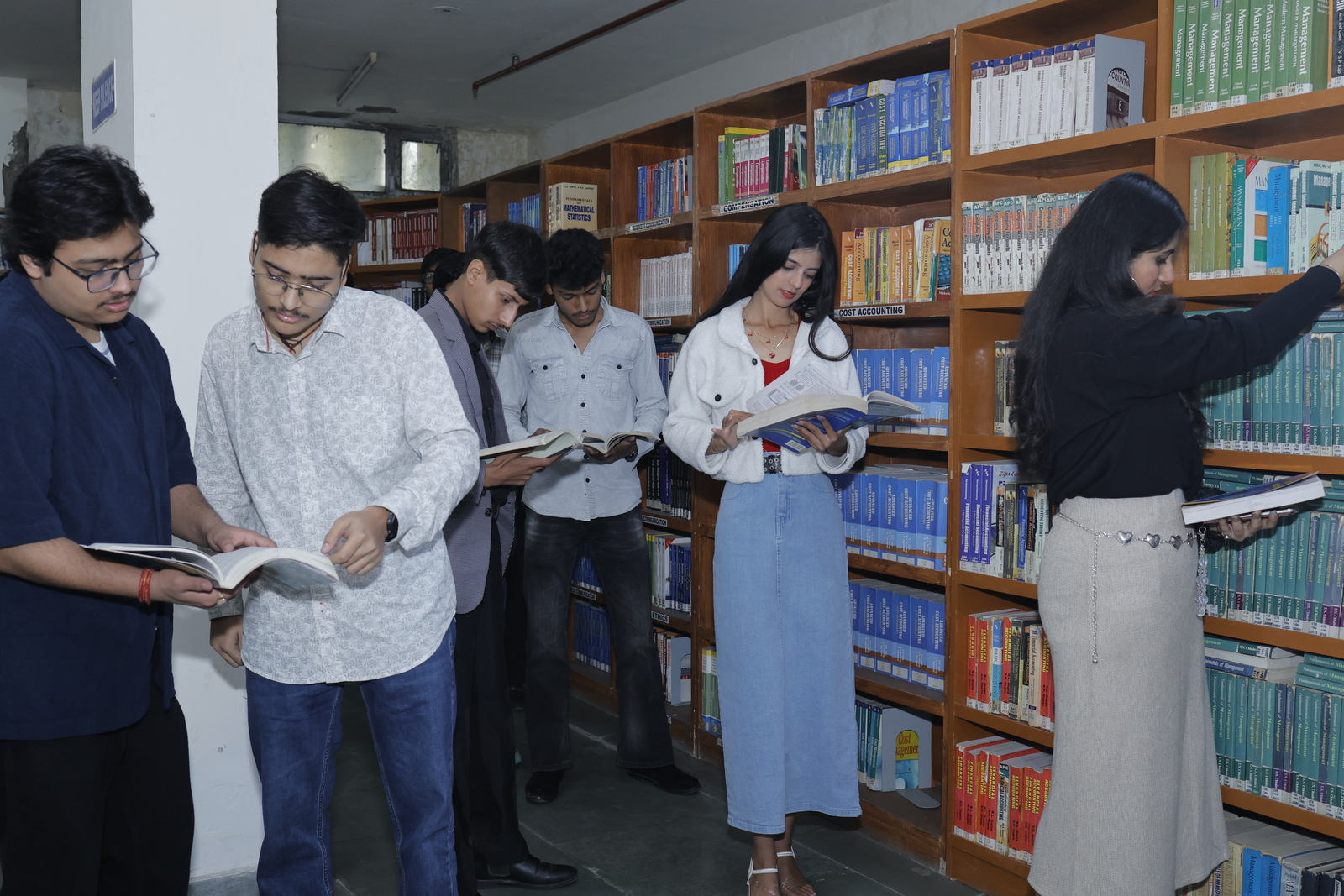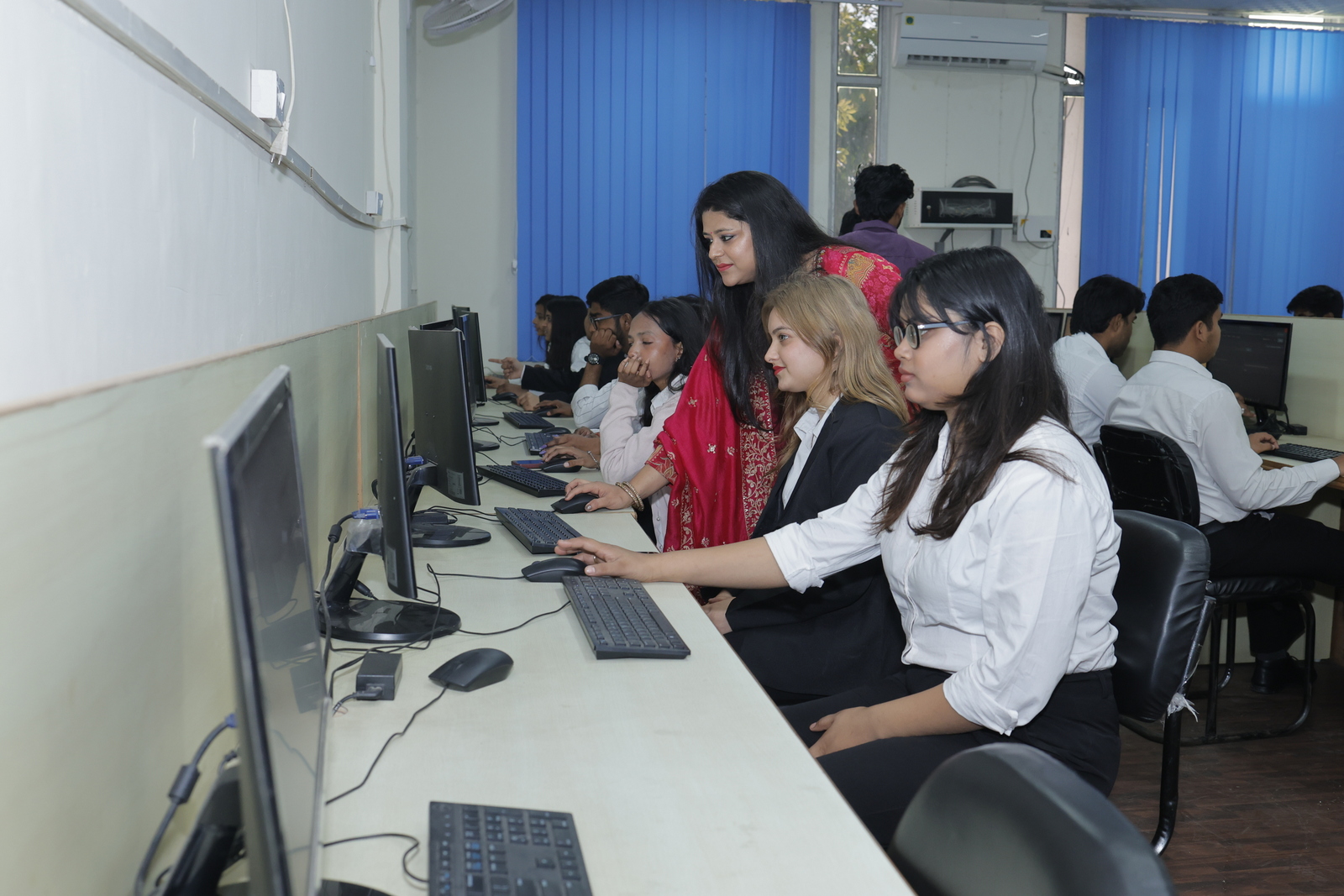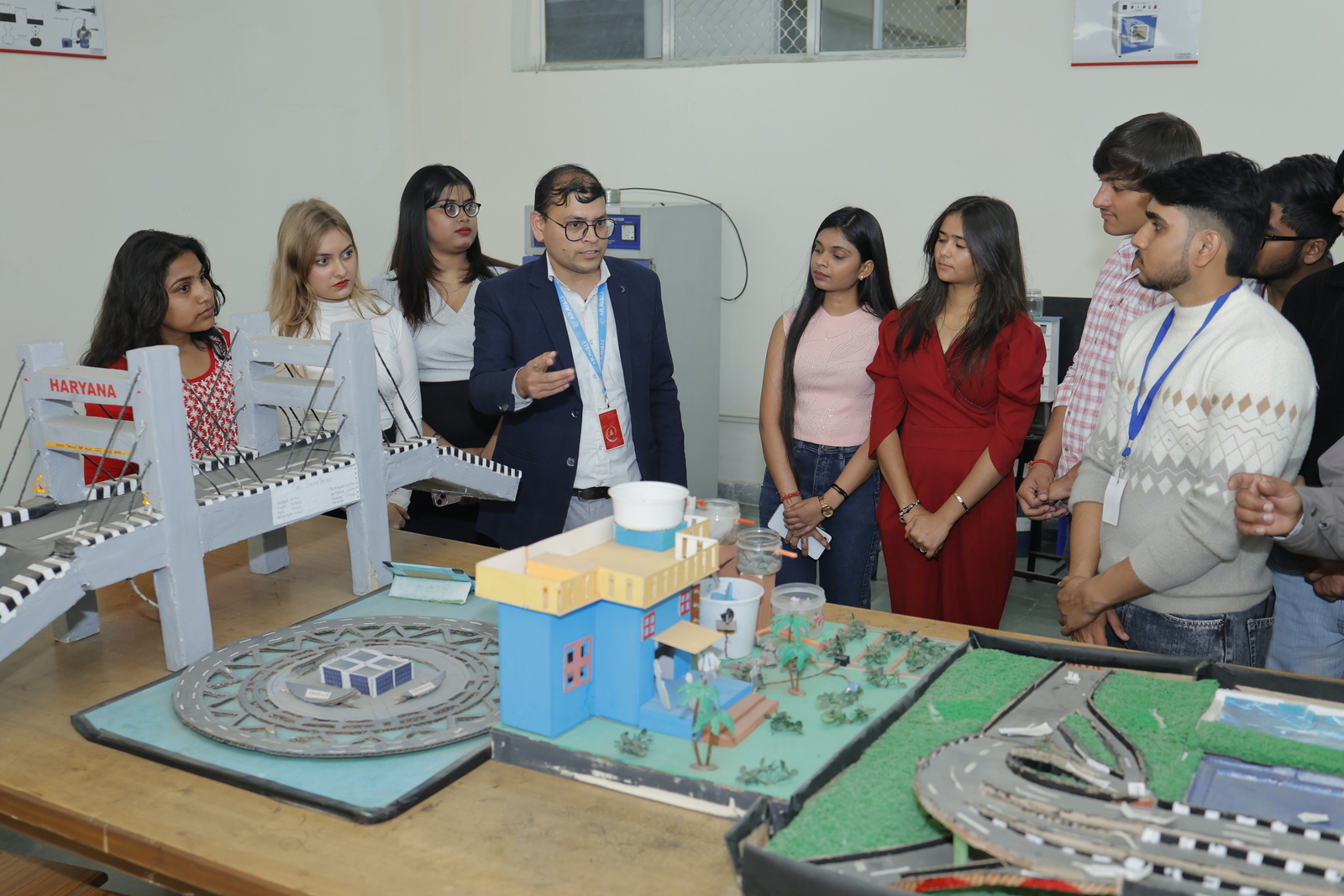


The Department of Civil Engineering at ACEM with its experienced faculties continues to maintain and cultivate its strong links with the infrastructural industry and academic and research institutions both within and outside the country.
Academic Excellence
Students Enrolled
Modern Campus
Industrial Exposure
Civil Engineering College in Faridabad

Approved content from Civil Engineering Vision & Mission.
To be a centre of excellence in civil engineering education recognized nationally for producing competent, innovative, and ethically responsible engineers who contribute to sustainable infrastructure and societal development.
To achieve our vision, the Department of Civil Engineering is committed to:
| Program Educational Objectives (PEOs) | Aligned to mission |
|---|---|
| PEO-1 A fundamental knowledge of the basic and engineering sciences and develop mathematical and analytical skills required for civil engineering. | M1, M2 |
| PEO-2 Pursue successful careers in civil engineering industries, construction organizations, consulting firms, government sectors, or engage in higher studies and professional certifications. | M2, M3 |
| PEO-3 Civil engineering graduates will have improved team building, team working and leadership skills with high regard for ethical values and social responsibilities. | M4, M5 |
| PEO-4 Civil engineering graduates will explore and create innovations in various aspects of engineering. | M3, M4, M5 |
We use a variety of teaching methods, ranging from lectures and group tutorials to small groups in laboratories. Students are encouraged to use additional recommended reading material for private study to consolidate the formal learning process and to broaden and deepen their understanding.
Civil engineering students have diverse career options in structure design, site management, transportation, and environmental planning. Key roles include structural, Geotechnical, site and transportation engineering, with strong demand in government and private infrastructure projects.
The Department of Civil Engineering aims to be a centre of excellence in civil engineering education recognized nationally for producing competent, innovative, and ethically responsible engineers who contribute to sustainable infrastructure and societal development.
The Department of Civil Engineering is committed to delivering a modern, application-oriented curriculum to prepare graduates for global challenges.
The Civil Engineering program at ACEM prepares students with strong knowledge of infrastructure development, structural design, transportation systems, and sustainable construction technologies.
Civil Engineering graduates contribute to the planning, design, and development of infrastructure projects including buildings, transportation networks, water resources, and sustainable structures.
Admission Process Contact Admission OfficeThe B.Tech Civil Engineering program at ACEM is a four-year undergraduate degree divided into eight semesters. The curriculum combines theoretical learning, laboratory practice, and real-world project exposure to prepare students for infrastructure development and construction industries.
The first year builds a strong engineering foundation with basic subjects common to all engineering branches, introducing core scientific and technical concepts.
Students begin core civil engineering studies including fluid mechanics, structural engineering, surveying, building materials, and concrete technology along with laboratory practice.
Advanced engineering design subjects such as concrete structures, steel structures, water resource engineering, environmental engineering, and transportation engineering are introduced.
The final year focuses on construction engineering, project management, cost estimation, metro engineering, and includes industrial training for practical industry exposure.
The Civil Engineering program integrates theoretical subjects, laboratory sessions, and project-based learning across eight semesters. From the third semester onward, students work on practical projects that help them develop real-world engineering skills in planning, designing, and construction of infrastructure systems.
Teaching methods include classroom lectures, group tutorials, laboratory sessions, workshops, and project-based learning. Students are encouraged to explore additional reading resources and research material to strengthen their academic understanding and engineering skills.
Empowering students with strong career outcomes and industry exposure
Highest Package
Average Package
Placement Rate
Recruiting Companies
Civil engineering students have diverse career options in structure design, site management, transportation, and environmental planning.
Key roles include structural, geotechnical, site and transportation engineering, with strong demand in government and private infrastructure projects.
ACEM maintains strong industry connections with construction companies, infrastructure developers, engineering consultancies, and government organizations. Students receive placement training, internships, and career mentoring to prepare for engineering roles.






The Department of Civil Engineering is committed to producing civil engineering graduates with problem-solving and analytical skills relevant to industry needs.
The department promotes a modern, application-oriented curriculum to prepare graduates for global challenges.
The department encourages ethical practices, teamwork, communication skills, and lifelong learning.
Hands-on learning is promoted through labs, projects, internships, and industry interaction.
Course benefits include testing of different materials used in the construction industry and design & analysis of earthquake resisting structures.
Civil engineering students have diverse career options in structure design, site management, transportation, and environmental planning.
Students can build careers in government and private infrastructure projects, including NHAI, DMRC, RITES, NBCC, NHPC, BRO, MES, L&T and other organizations.
Our modern campus infrastructure supports engineering education with specialized laboratories, workshop facilities, research spaces, and collaborative learning environments.